
Black rings have a way of looking sharp without trying too hard, and that's exactly why so many folks who live for the outdoors keep coming back to them. There's something about a dark band on your finger that feels grounded. Less flash, more grit. We build ours by hand for people who'd rather spend a Saturday on the river than shopping for jewelry, and it shows in every piece.
Black isn't just a color here. It's the backdrop that makes a slice of real meteorite, a strip of deer antler, or a chunk of dinosaur bone really pop.
Why Black Rings Work So Well for Rugged, Everyday Wear
Dark bands hide the wear that lighter metals show off. A scuff on a polished silver ring jumps right out at you. On black, it just blends in or buffs away with a little attention. That's a big deal if you work with your hands or spend your weekends outside.
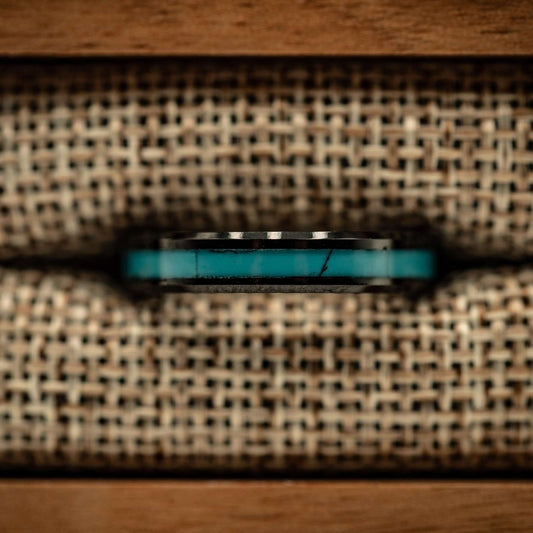
The look pairs with everything too. Flannel, work gloves, a suit at a wedding. Black doesn't fight with anything. And when we set a natural inlay against it (antler, wood, turquoise), the contrast does the heavy lifting.
Types of Black Rings We Make
Most of our black rings start with a black tungsten or sandblasted base, then we add the rustic touch that makes each one different. A few directions worth looking at:
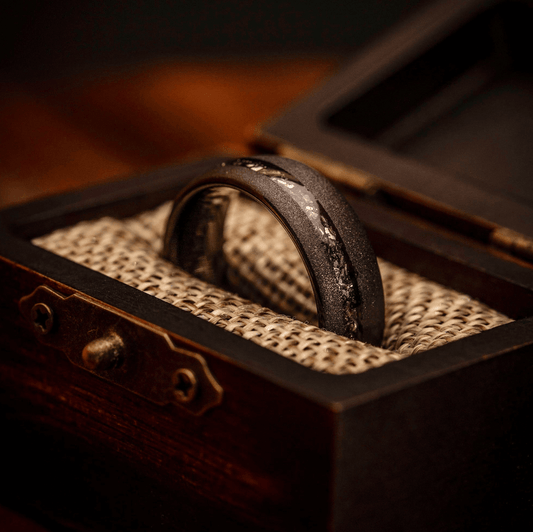
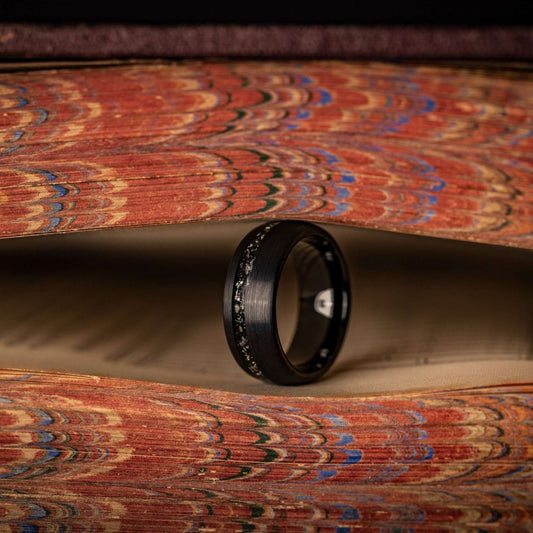
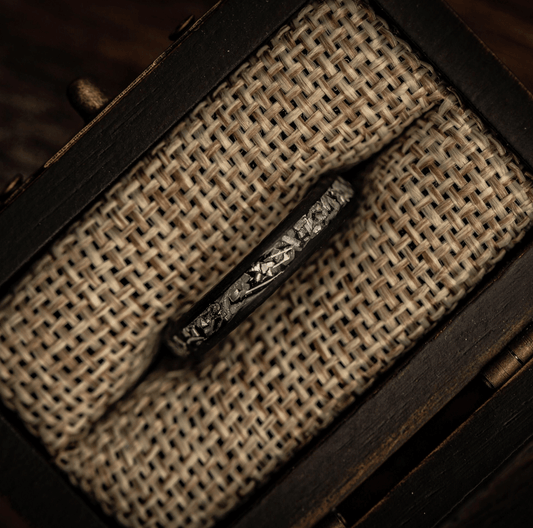
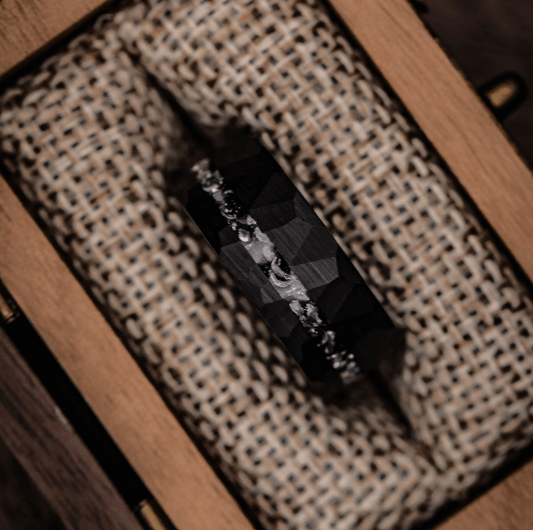
- Black Meteorite Rings pair a dark band with real meteorite that's etched to show its crystal pattern.
- Mens Black Wedding Bands cover the classic dark band look for guys who want something solid and clean.
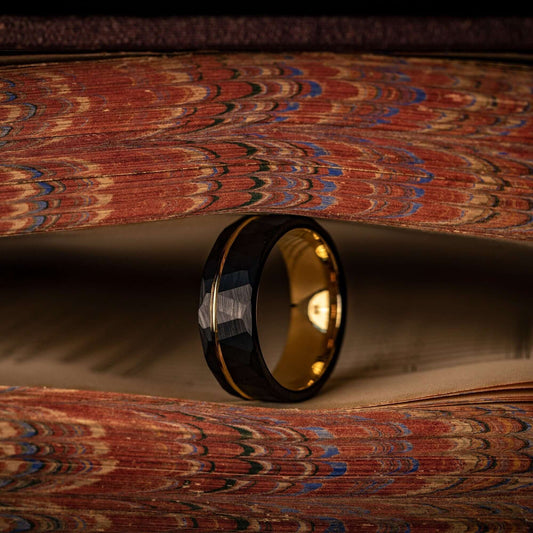
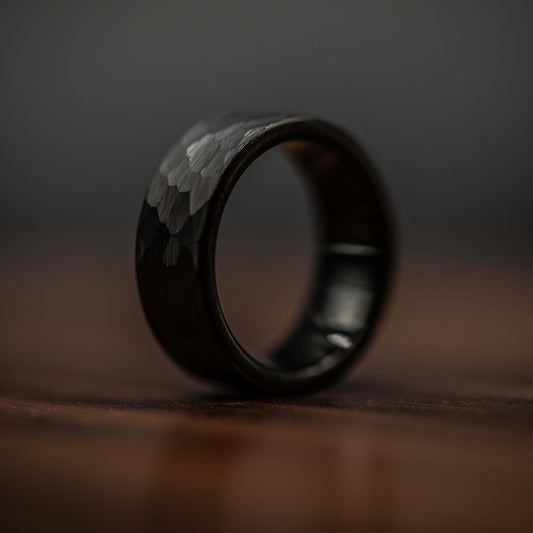
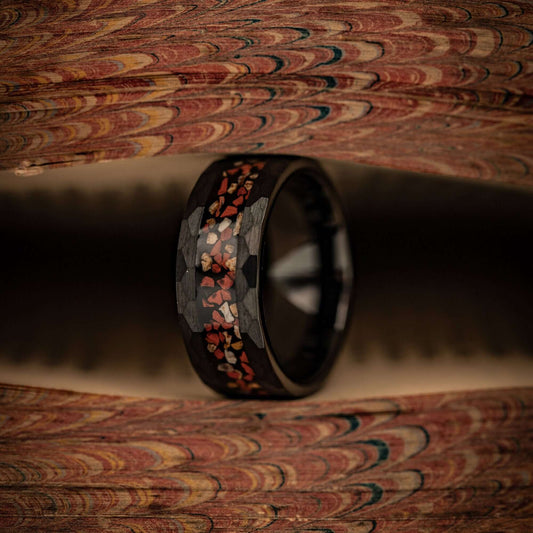
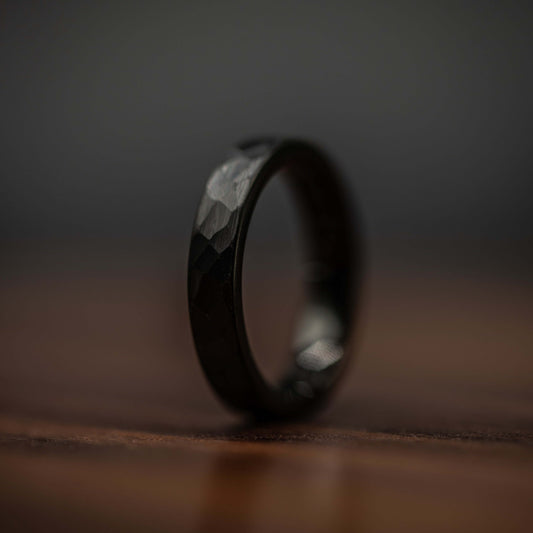
- Black Hammered Wedding Bands add texture so the ring catches light at the edges.
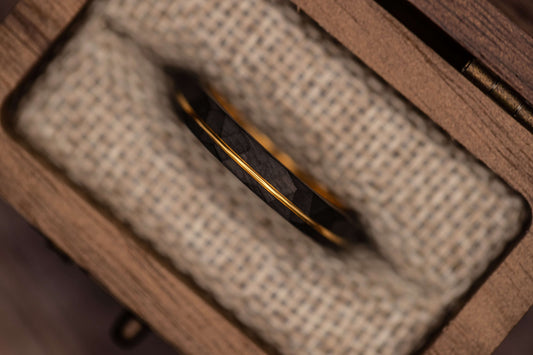
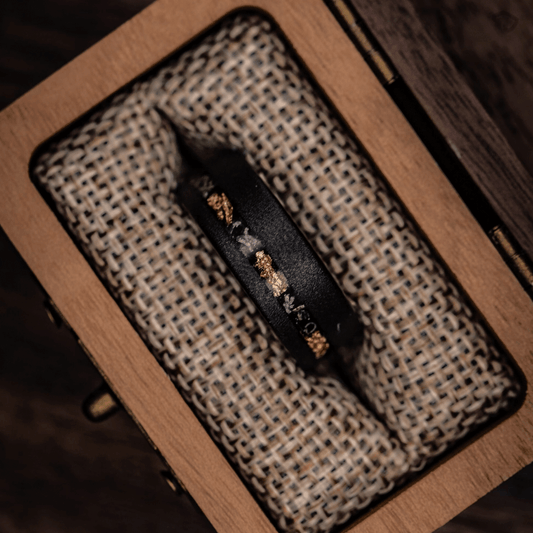
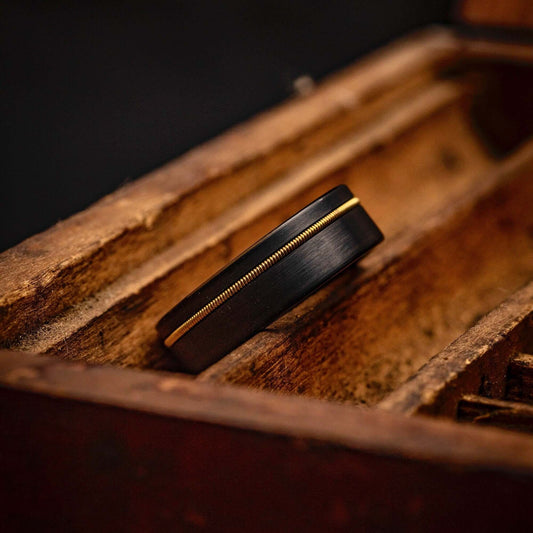
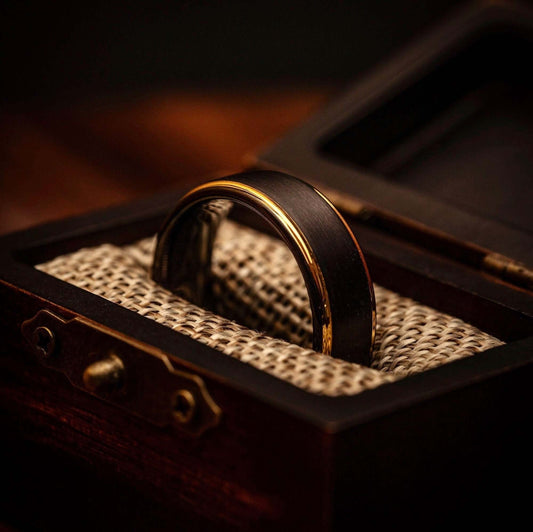
- For something with a warm accent, Black and Gold Wedding Rings split the difference.
Finishes matter more than people expect. A brushed or sandblasted black reads matte and understated. A polished black throws more shine. Hammered gives you that handmade, no-two-alike feel. Pick based on how loud you want the ring to be.
Who Buys Black Rings (and What They Actually Need)
Outdoorsmen and hunters tend to gravitate toward antler or bone inlays on a black base. It connects the ring to time spent in the field. Hard to fake that kind of meaning.
Anglers and hikers usually want durability first. They're hard on their gear, and a black ring takes a beating without screaming about it. Couples planning a rustic wedding often want a matched look without going matchy, so a black band for him next to a turquoise or antler piece for her tends to land well.
Then there are the folks who just like the way it looks. No deep story. That's fine too. A good black ring doesn't need permission to be on your hand.
What to Look For in a Quality Black Ring
Start with the base material. Black tungsten holds its finish and resists scratching better than most options in this range, which is why we lean on it. If a ring is going to take real abuse, that matters more than almost anything else.
Check how the black is applied. A surface coating can wear through over time. A material that's dark all the way through, or properly sandblasted, holds up longer. Ask before you buy.
Width and comfort fit are the other two. Wider bands (8mm) make a statement and feel substantial. Slimmer ones (4mm to 6mm) sit lighter and suit smaller hands. Comfort fit rounds the inside so it slides on easy and wears all day without pinching. If you're unsure of your size, grab a Free Ring Sizer Tool before you commit. Guessing your size by mail rarely ends well.
Black Rings vs. Silver or Gold: Which Should You Pick?
Here's my honest take. If you want a ring that looks tough, ages gracefully, and doesn't demand constant care, go black. It's the low-maintenance choice that still has presence.
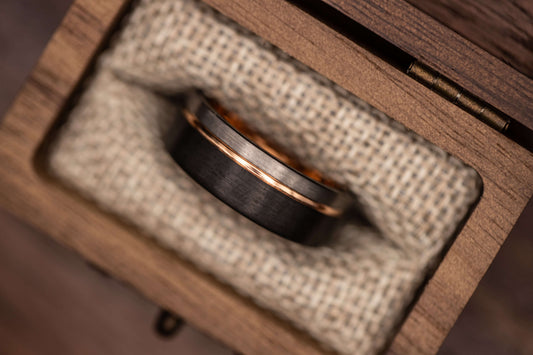
Silver and gold read more traditional and dressier, and they show wear in a way some people actually like (that lived-in patina). But if your hands stay busy, black tungsten will look better in five years than a soft precious metal will. For most outdoors types, that's an easy call. If you want a brighter accent without losing the dark base, a Black with Rose Gold Edge Ring splits the difference nicely.
Scroll on down and find the black ring that already looks like it belongs on your hand.
Black Rings FAQ
Q: Are black rings durable enough for everyday work?
A: Yes, especially the ones built on a black tungsten base. Tungsten is one of the hardest materials used in rings and shrugs off the scratches that would dull softer metals. For hands-on work, it's about as practical as a ring gets.
Q: What kinds of black rings do you offer?
A: We make black bands with real natural inlays, including meteorite, deer antler, dinosaur bone, wood, and turquoise. You'll also find plain black bands in hammered, brushed, and sandblasted finishes, plus black paired with gold or rose gold accents.
Q: Are black rings a good choice for a rustic wedding band?
A: They're one of our most popular picks for it. A black band feels grounded and masculine, and it pairs cleanly with a partner's antler, turquoise, or meteorite ring without trying to match perfectly. Couples who want a connected look without being identical love that.
Q: Do black rings cost more than regular bands?
A: It depends on the inlay. A simple black band sits at the more affordable end, while rings with real meteorite or genuine dinosaur bone run higher because of the materials and the handwork involved. You're paying for authentic materials and a finish that's made to last, not mass-produced filler.
-
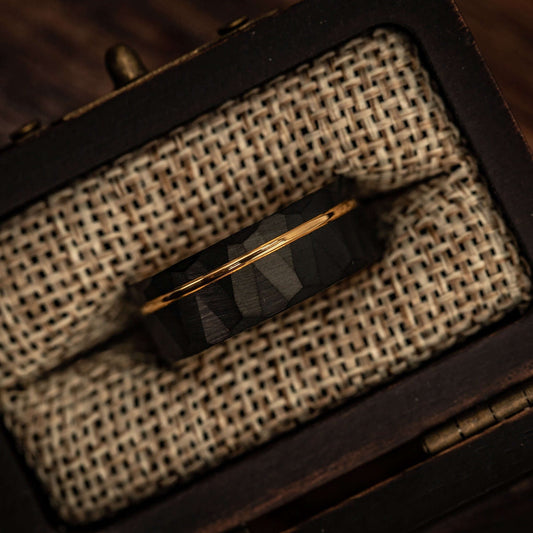
Men's 8mm Black & Gold Hammered Wedding Band
Regular price $139.60 USDRegular priceUnit price per$349.00 USDSale price $139.60 USDSale -
Men's 8mm Black Sandblasted Meteorite & Tungsten Wedding Band
Regular price $159.60 USDRegular priceUnit price per$399.00 USDSale price $159.60 USDSale -
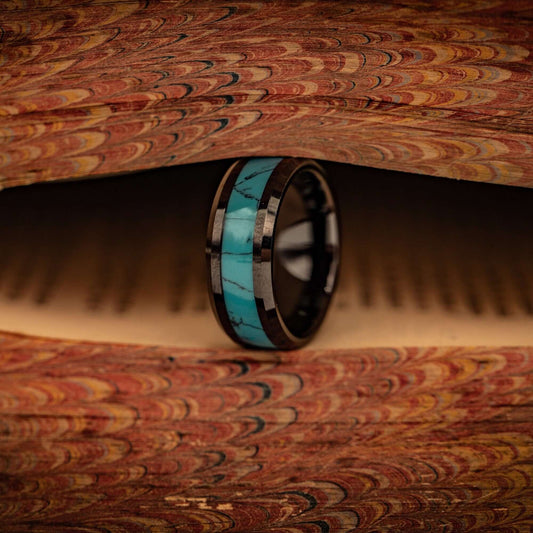
Men's 8mm Turquoise & Black Wedding Band
Regular price $130.00 USDRegular priceUnit price per$325.00 USDSale price $130.00 USDSale -
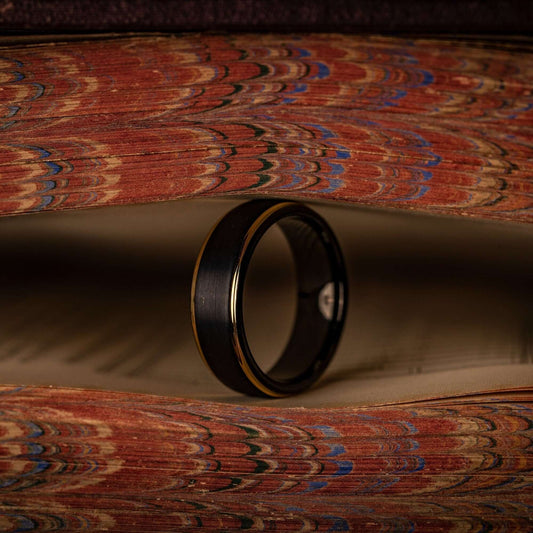
Men's 8mm Black & 18K Gold Edge Wedding Band
Regular price $106.00 USDRegular priceUnit price per$399.00 USDSale price $106.00 USDSale -
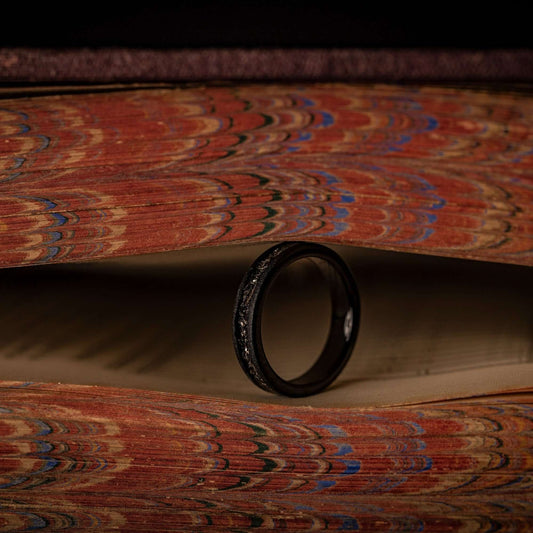
Women's 4mm Black Meteorite Wedding Ring
Regular price $159.60 USDRegular priceUnit price per$399.00 USDSale price $159.60 USDSale -
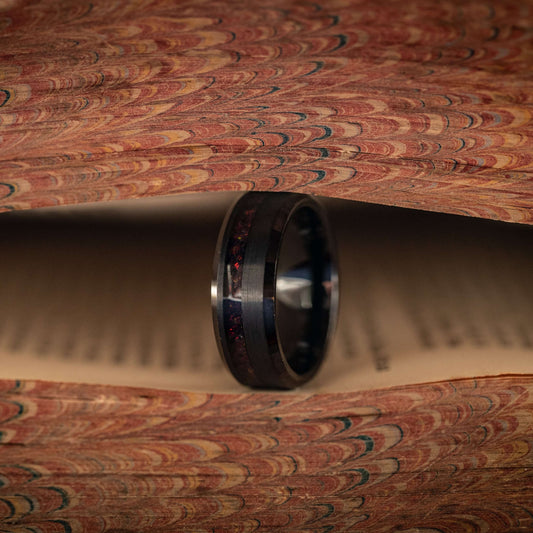
Men's 8mm Black Brushed Tugsten & Fire Opal Wedding Band
Regular price $100.00 USDRegular priceUnit price per$399.99 USDSale price $100.00 USDSale -
Men's 8mm Black & Rose Gold Hammered Wedding Band
Regular price $106.25 USDRegular priceUnit price per$325.00 USDSale price $106.25 USDSale -
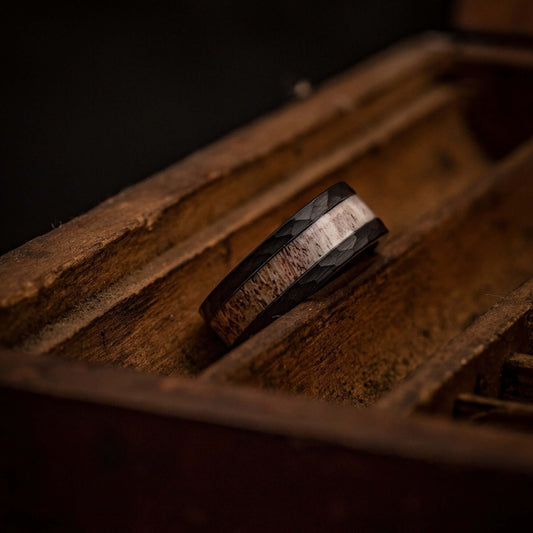
Men's 8mm Black Hammered Deer Antler Wedding Band
Regular price $130.00 USDRegular priceUnit price per$325.00 USDSale price $130.00 USDSale -
Women's 4mm Black & Gold Hammered Wedding Ring
Regular price $81.25 USDRegular priceUnit price per$349.00 USDSale price $81.25 USDSale -
Men's 8mm Black Brushed Meteorite Wedding Band
Regular price $159.60 USDRegular priceUnit price per$399.00 USDSale price $159.60 USDSale -
Men's 8mm Black Hammered Tungsten Wedding Band
Regular price $106.25 USDRegular priceUnit price per$425.00 USDSale price $106.25 USDSale -
Men's 8mm Black & Silver Wedding Band with Rose Gold
Regular price $99.75 USDRegular priceUnit price per$325.00 USDSale price $99.75 USDSale -
Women's 4mm Black Brushed Meteorite Wedding Ring
Regular price $99.75 USDRegular priceUnit price per$399.00 USDSale price $99.75 USDSale -
Women's 4mm Turquoise & Black Wedding Ring
Regular price $130.00 USDRegular priceUnit price per$325.00 USDSale price $130.00 USDSale -
Men's 8MM Black Sandblasted Wedding Band with Meteorite and Gold Leaf
Regular price $99.75 USDRegular priceUnit price per$399.00 USDSale price $99.75 USDSale -
Men's 8mm Black & Red Hammered Dinosaur Bone & Meteorite Wedding Band
Regular price $124.75 USDRegular priceUnit price per$499.00 USDSale price $124.75 USDSale -
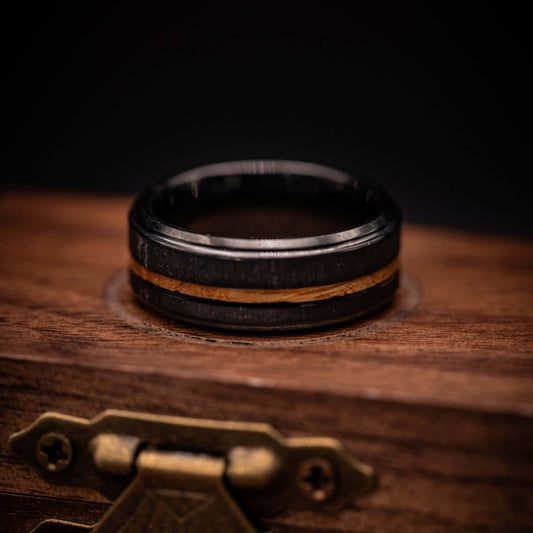
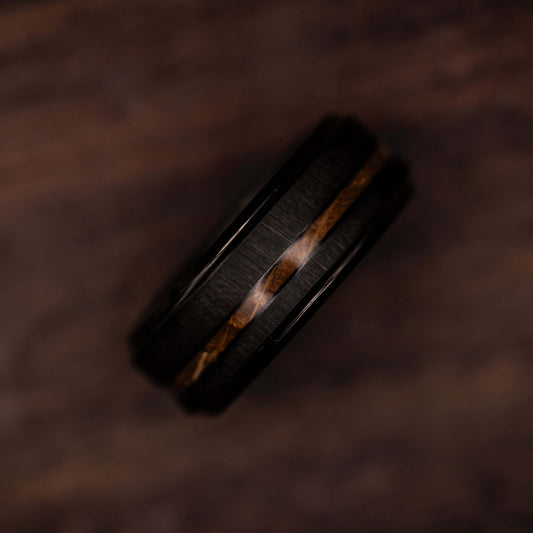
Men's 8mm Black Brushed Tungsten & Hawaiian Koa Wood Wedding Band
Regular price $100.00 USDRegular priceUnit price per$399.99 USDSale price $100.00 USDSale -
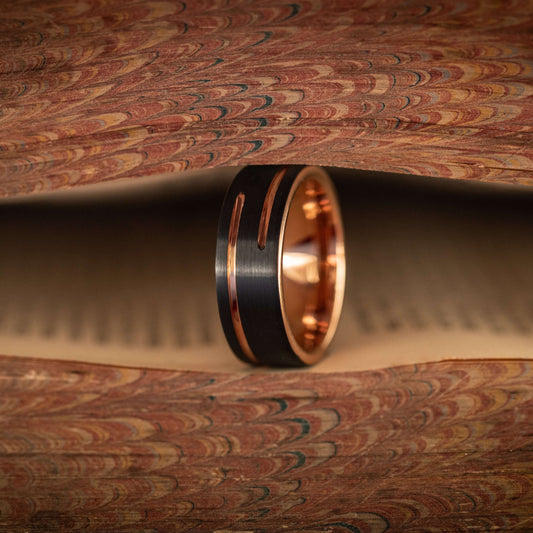
Men's 8mm Black & Rose Gold Wedding Band with Unique Offset Channel
Regular price $87.25 USDRegular priceUnit price per$349.00 USDSale price $87.25 USDSale -
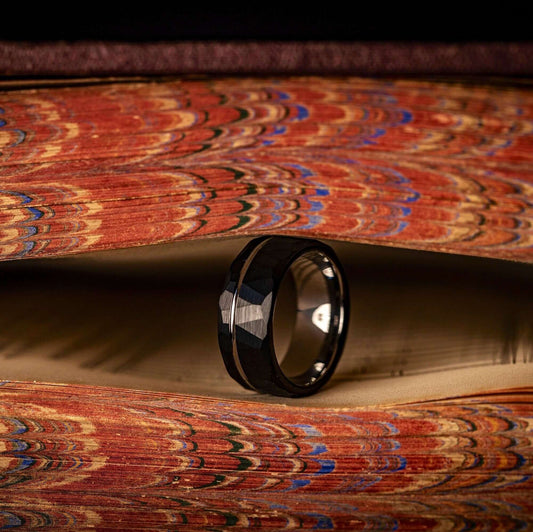
Men's 8mm Black Hammered Wedding Band with Polished Silver
Regular price $130.00 USDRegular priceUnit price per$325.00 USDSale price $130.00 USDSale -
Men's 8mm Black Hammered Meteorite Wedding Band
Regular price $99.75 USDRegular priceUnit price per$399.00 USDSale price $99.75 USDSale -
Women's 4mm Black Hammered Tungsten Wedding Ring
Regular price $106.25 USDRegular priceUnit price per$425.00 USDSale price $106.25 USDSale -
Men's 8mm Black & Gold Guitar String Engagment/Wedding Band
Regular price $139.60 USDRegular priceUnit price per$349.00 USDSale price $139.60 USDSale -
Men's 8mm Black & Rose Gold Brushed Tungsten Wedding Bands
Regular price $159.60 USDRegular priceUnit price per$399.00 USDSale price $159.60 USDSale -
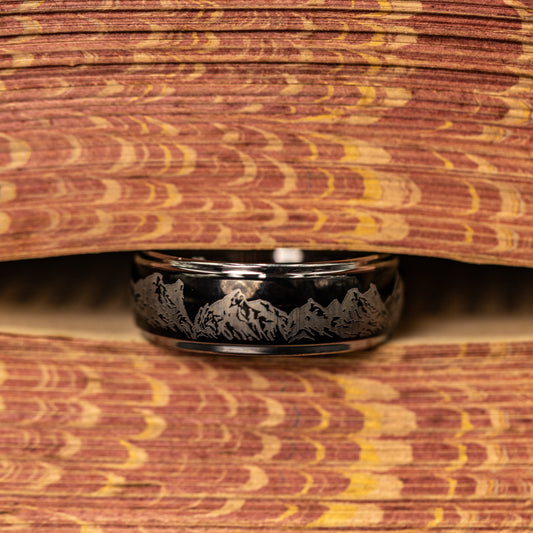
Men's 8mm Silver/Black Engraved Mountain Wedding Band
Regular price $99.75 USDRegular priceUnit price per$425.00 USDSale price $99.75 USDSale























 Gift cards available!